Why America Hasn't Bought Bitcoin for Its Strategic Reserve
Need articles like this for your video? They help promote it on YouTube and Google — order them in the Telegram bot @sat_sit_bot. It writes articles around your video, embeds the video and publishes them on popular niche websites (no ads). Your first 50 articles are free.
· based on the channel Simply Bitcoin
Key takeaways
- The US Strategic Bitcoin Reserve, established by executive order in March 2025, currently holds only forfeited Bitcoin and has not made open-market purchases.
- Stablecoin expansion and preserving dollar dominance are cited as the primary reasons for delaying direct Bitcoin accumulation.
- Political caution and potential conflicts of interest, including President Trump's crypto holdings, create hesitation.
- Some lawmakers, including Senator Lummis, advocate for a larger Bitcoin acquisition program, but legislative progress is slow.
- Bitcoin's fixed supply and decentralization make it a unique reserve asset, but adoption faces institutional and regulatory hurdles.
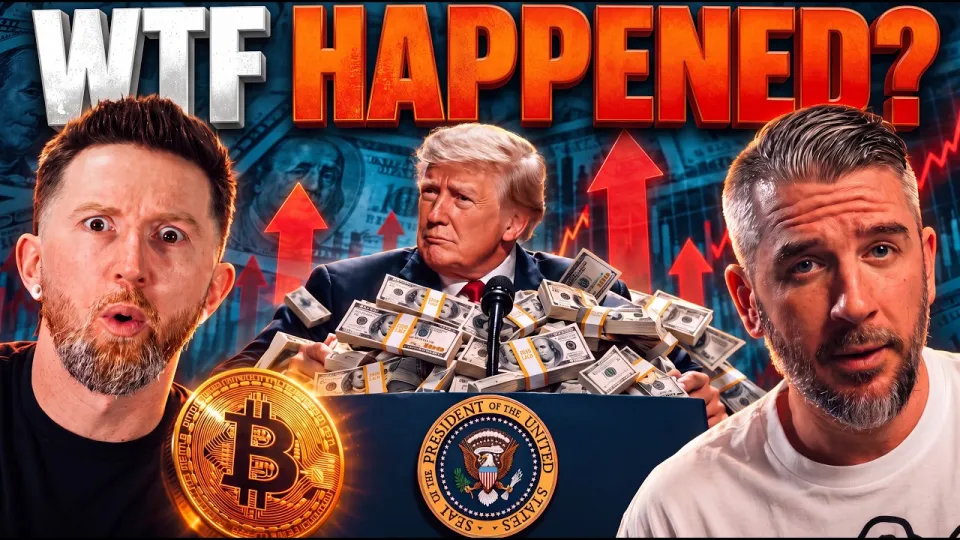
The United States has not bought Bitcoin for its Strategic Reserve primarily because the government is prioritizing the expansion of stablecoins and the preservation of dollar dominance, while also weighing political risks and regulatory complexities. This conclusion comes from a detailed discussion on the Simply Bitcoin channel, where hosts Rustin, Hurley, and Opti unpack the leaked reasons behind the delay. Below is a breakdown of the key factors and what they mean for Bitcoin's role in national reserves.
The Strategic Bitcoin Reserve: What It Is and What It Isn't
In March 2025, President Trump signed an executive order establishing the Strategic Bitcoin Reserve, but it did not include any direct purchases of Bitcoin. Instead, the reserve is composed of Bitcoin already held by the government, mostly from law enforcement seizures. This means the US is not actively accumulating Bitcoin on the open market, contrary to some expectations. The order also created a separate US Digital Asset Stockpile for other cryptocurrencies. While the reserve exists on paper, its current holdings are modest and do not represent a strategic accumulation of new coins. The hosts note that this approach falls short of what Bitcoin advocates had hoped for, as it does not signal a strong commitment to Bitcoin as a reserve asset. For now, the reserve is more symbolic than substantive, and the government has not allocated funds to buy more Bitcoin.
Stablecoins and Dollar Dominance: The Real Priority
A major reason the US has not bought Bitcoin is the government's focus on stablecoins as a tool to extend the dollar's global dominance. According to the discussion, the administration views stablecoins—cryptocurrencies pegged to the dollar—as a way to spread the dollar's influence without the volatility of Bitcoin. By promoting stablecoins, the US can maintain control over the global financial system while avoiding the political and economic risks associated with holding a volatile asset like Bitcoin. The hosts argue that this strategy is shortsighted, as it ignores Bitcoin's potential as a hedge against inflation and geopolitical instability. However, from the government's perspective, stablecoins offer a more predictable and controllable way to digitize the dollar. This aligns with comments from viewers who appreciate the show's deep dive into these policy nuances.
Political and Regulatory Hurdles
Political caution and potential conflicts of interest are also significant barriers to Bitcoin purchases. The hosts mention that President Trump's own crypto holdings could create perceptions of impropriety if the government were to buy Bitcoin, as it might appear to benefit his personal investments. Additionally, regulatory uncertainty remains: while the SEC has taken a more favorable stance under the current administration, the legal framework for digital assets is still evolving. Lawmakers like Senator Cynthia Lummis have proposed bills to purchase Bitcoin, but these have not gained enough traction. The hosts emphasize that without clear legislative support, the executive branch is unlikely to make large-scale Bitcoin purchases. This cautious approach is reflected in the viewer comments, where some express frustration but also understanding of the political realities.
The Case for Bitcoin as a Reserve Asset
Despite the delays, the hosts make a strong case for Bitcoin as a strategic reserve asset. They highlight Bitcoin's fixed supply of 21 million coins, its decentralized nature, and its growing institutional adoption. Unlike gold or foreign currencies, Bitcoin is not controlled by any single entity and can be transferred easily across borders. The hosts argue that holding Bitcoin could protect the US from the devaluation of the dollar and provide a hedge against economic sanctions. They also point out that other countries, such as El Salvador, have already adopted Bitcoin, and the US risks falling behind in the digital asset race. However, they acknowledge that Bitcoin's volatility and the lack of a clear regulatory framework are obstacles that need to be addressed. The discussion suggests that a gradual approach, starting with a small allocation, could mitigate risks while positioning the US for the future.
What Supporters and Critics Are Saying
The debate over a US Bitcoin reserve has sparked a range of reactions. Supporters argue that buying Bitcoin would strengthen national security and financial resilience, while critics worry about volatility and the potential for government overreach. In the comments on the Simply Bitcoin video, viewers praised the hosts for their candid analysis and called for more episodes of the After Hours format. Many expressed enthusiasm for the team's chemistry and the balanced perspectives they bring. Some questioned why the government is hesitating, while others appreciated the explanation of stablecoin priorities. The hosts themselves are optimistic about Bitcoin's long-term prospects but realistic about the political and economic factors at play. They encourage viewers to stay informed and engaged as the situation develops.
Conclusion: A Waiting Game with High Stakes
The US has not bought Bitcoin for its Strategic Reserve due to a combination of stablecoin priorities, political caution, and regulatory uncertainty. While the reserve exists, it currently holds only seized assets, and no new purchases have been made. The hosts of Simply Bitcoin provide a thorough analysis of the reasons behind this delay, highlighting the tension between innovation and caution. As the global landscape evolves, the pressure to adopt Bitcoin may increase, but for now, the US is taking a wait-and-see approach. This breakdown from Simply Bitcoin offers valuable insights into the complex factors shaping national cryptocurrency policy.
Questions & answers
Why hasn't the US government bought Bitcoin for its Strategic Reserve?
The US government has not bought Bitcoin primarily because it is focusing on stablecoins to maintain dollar dominance and is concerned about political conflicts of interest and regulatory uncertainty. Additionally, the Strategic Bitcoin Reserve established by executive order in March 2025 currently consists only of Bitcoin seized by law enforcement, not new purchases.
What is the Strategic Bitcoin Reserve and how does it work?
The Strategic Bitcoin Reserve is a US government initiative created by an executive order in March 2025. It holds Bitcoin already owned by the government, mostly from seizures, rather than actively purchasing Bitcoin on the open market. The reserve is intended to serve as a strategic asset, but its current holdings are limited and it does not involve new acquisitions.
How do stablecoins affect the US decision on Bitcoin?
Stablecoins are seen by the US government as a way to extend the dollar's global influence without the volatility of Bitcoin. By promoting stablecoins, the government can digitize the dollar and maintain control over the financial system, which reduces the urgency to adopt Bitcoin as a reserve asset. This focus on stablecoins is a key reason for the delay in Bitcoin purchases.
Is the US falling behind other countries in Bitcoin adoption?
Yes, according to the discussion, the US risks falling behind countries like El Salvador that have already adopted Bitcoin. However, the US is taking a cautious approach due to regulatory and political considerations. The hosts argue that a gradual allocation to Bitcoin could help the US catch up while managing risks.
Source: LEAKED: Here's The REAL Reason America Hasn't Bought Bitcoin For its Strategic Reserve... · Markdown version